𝐒𝐢𝐧𝐠𝐚𝐩𝐨𝐫𝐞'𝐬 𝐏𝐨𝐥𝐢𝐭𝐢𝐜𝐬 𝐈𝐬 𝐁𝐨𝐫𝐢𝐧𝐠, 𝐀𝐧𝐝 𝐓𝐡𝐚𝐭'𝐬 𝐎𝐮𝐫 𝐒𝐮𝐩𝐞𝐫𝐩𝐨𝐰𝐞𝐫
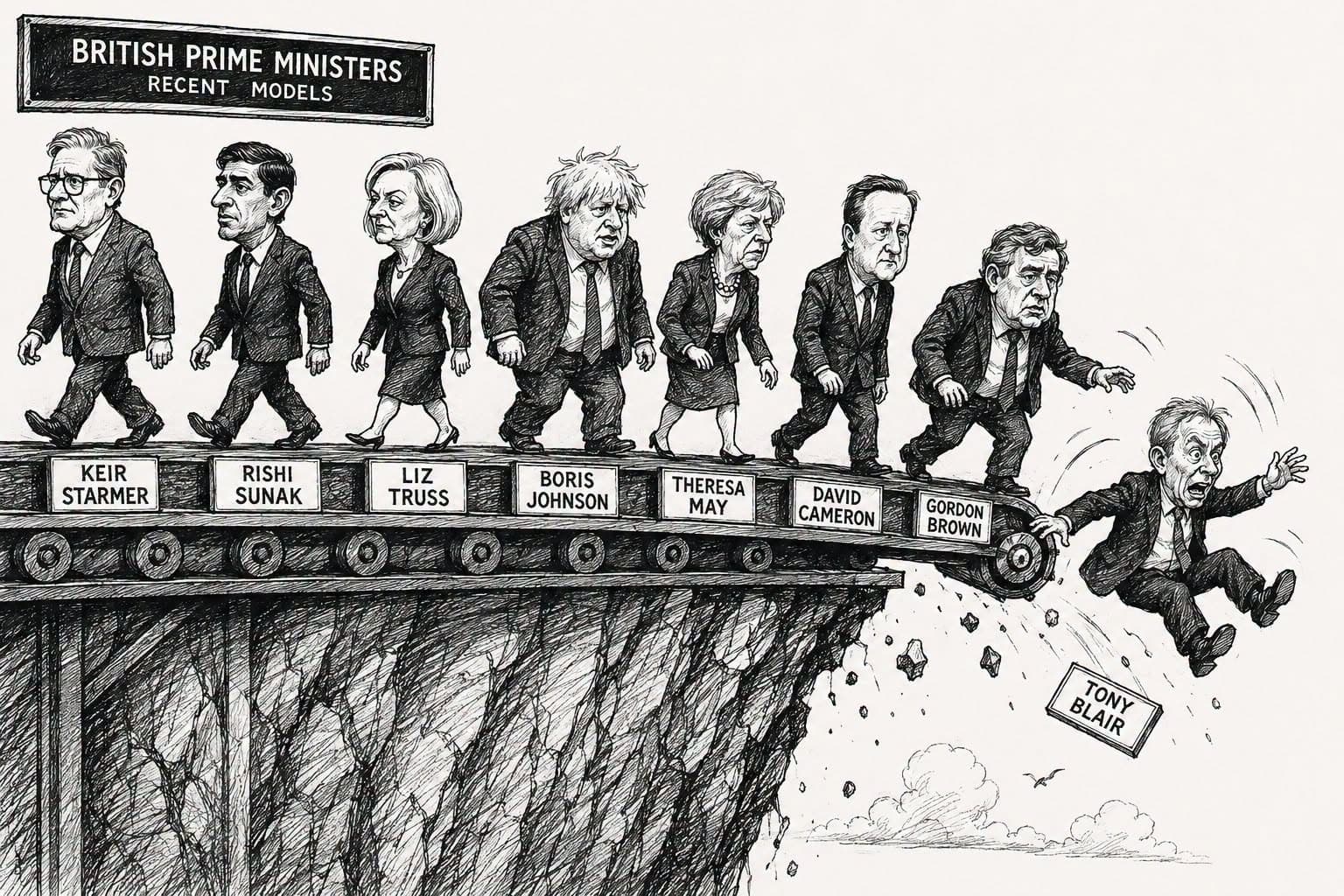
The British Prime Minister has resigned.
Again.
Depending on when you are reading this, there is a reasonable chance Britain has already replaced him with someone else.
Across much of the world, politics feels increasingly unpredictable. Governments rise and fall. Coalition partners collapse. Elections produce dramatic swings in policy. One administration spends years implementing a programme, only for the next administration to reverse it.
Sometimes entire national conversations seem to restart every few years.
Singapore, by comparison, is astonishingly boring.
Yet many Singaporeans complain about this.
𝐈𝐬𝐧'𝐭 𝐩𝐨𝐥𝐢𝐭𝐢𝐜𝐬 𝐢𝐬 𝐬𝐮𝐩𝐩𝐨𝐬𝐞𝐝 𝐭𝐨 𝐛𝐞 𝐞𝐱𝐜𝐢𝐭𝐢𝐧𝐠? 𝐓𝐡𝐞𝐫𝐞 𝐚𝐫𝐞 𝐬𝐮𝐩𝐩𝐨𝐬𝐞𝐝 𝐭𝐨 𝐛𝐞 𝐝𝐫𝐚𝐦𝐚𝐭𝐢𝐜 𝐯𝐢𝐜𝐭𝐨𝐫𝐢𝐞𝐬, 𝐬𝐡𝐨𝐜𝐤𝐢𝐧𝐠 𝐝𝐞𝐟𝐞𝐚𝐭𝐬, 𝐟𝐢𝐞𝐫𝐲 𝐬𝐩𝐞𝐞𝐜𝐡𝐞𝐬 𝐚𝐧𝐝 𝐫𝐞𝐯𝐨𝐥𝐮𝐭𝐢𝐨𝐧𝐚𝐫𝐲 𝐩𝐫𝐨𝐦𝐢𝐬𝐞𝐬. Instead, Singapore often feels like watching a corporate meeting.
Blessedly, boring politics is one of Singapore's greatest competitive advantages.
Imagine you are a multinational corporation deciding where to build a factory.
The factory will cost billions of dollars, employ thousands of workers and it may take twenty years before the investment fully pays off.
Do you want to build it in a country where regulations might change after every election?
Or would you rather build it somewhere where you have a reasonable expectation that today's policies will still broadly exist ten years from now?
Investors, businesses and institutions generally prefer predictability.
The same applies to infrastructure.
When Singapore decides to build an MRT line, it is usually planned decades ahead. Land is reserved. Budgets are allocated. Engineers design around assumptions that future governments are unlikely to suddenly abandon the project halfway through construction.
This continuity is often invisible because it becomes normal.
Singaporeans rarely wake up wondering whether a newly elected government will suddenly cancel Changi Airport expansion, reverse housing policy, abandon the MRT network or fundamentally rewrite the country's economic strategy.
Britain offers an interesting contrast.
Since 2007, the United Kingdom has gone through Gordon Brown, David Cameron, Theresa May, Boris Johnson, Liz Truss, Rishi Sunak and Keir Starmer.
Each leader arrived with a different set of priorities. Some inherited crises. Others created them. Policies shifted. Ministries reorganised. National conversations changed direction.
𝐓𝐡𝐞 𝐢𝐫𝐨𝐧𝐲 𝐢𝐬 𝐭𝐡𝐚𝐭 𝐞𝐯𝐞𝐧 𝐚𝐟𝐭𝐞𝐫 𝐥𝐞𝐚𝐯𝐢𝐧𝐠 𝐨𝐟𝐟𝐢𝐜𝐞, 𝐟𝐨𝐫𝐦𝐞𝐫 𝐁𝐫𝐢𝐭𝐢𝐬𝐡 𝐏𝐫𝐢𝐦𝐞 𝐌𝐢𝐧𝐢𝐬𝐭𝐞𝐫𝐬 𝐦𝐚𝐲 𝐜𝐥𝐚𝐢𝐦 𝐮𝐩 𝐭𝐨 £𝟏𝟏𝟓,𝟎𝟎𝟎 𝐚𝐧𝐧𝐮𝐚𝐥𝐥𝐲 𝐮𝐧𝐝𝐞𝐫 𝐭𝐡𝐞 𝐏𝐮𝐛𝐥𝐢𝐜 𝐃𝐮𝐭𝐲 𝐂𝐨𝐬𝐭𝐬 𝐀𝐥𝐥𝐨𝐰𝐚𝐧𝐜𝐞 𝐭𝐨 𝐬𝐮𝐩𝐩𝐨𝐫𝐭 𝐭𝐡𝐞𝐢𝐫 𝐩𝐨𝐬𝐭-𝐨𝐟𝐟𝐢𝐜𝐞 𝐚𝐜𝐭𝐢𝐯𝐢𝐭𝐢𝐞𝐬. 𝐓𝐡𝐞𝐫𝐞 𝐢𝐬 𝐧𝐨 𝐦𝐢𝐧𝐢𝐦𝐮𝐦 𝐬𝐞𝐫𝐯𝐢𝐜𝐞 𝐩𝐞𝐫𝐢𝐨𝐝 𝐫𝐞𝐪𝐮𝐢𝐫𝐞𝐝.
This led to an awkward observation after Liz Truss's famously brief tenure. Having served just 49 days as Prime Minister, she became eligible for the same allowance as leaders who spent years in office.
Whether one agrees with the scheme or not, it is a reminder of how often the political carousel has been spinning.
Singapore operates very differently.
Our ministers do not receive a permanent taxpayer-funded office simply because they once held ministerial office. The expectation is that public office is a responsibility undertaken for a period of time, not a title that carries lifelong institutional support.
We live in a world where governments increasingly resemble software stuck in a cycle of constant updates, patches and rollbacks, Singapore's approach can feel almost old-fashioned.
I pity the Straits Times Editor sometimes, we're so boring he might struggle to find something about Singapore for the cover page.
Nothing dramatic happened today.
And that's exactly how we like it.