The Great AI Paradox: Automation Is Causing More Work
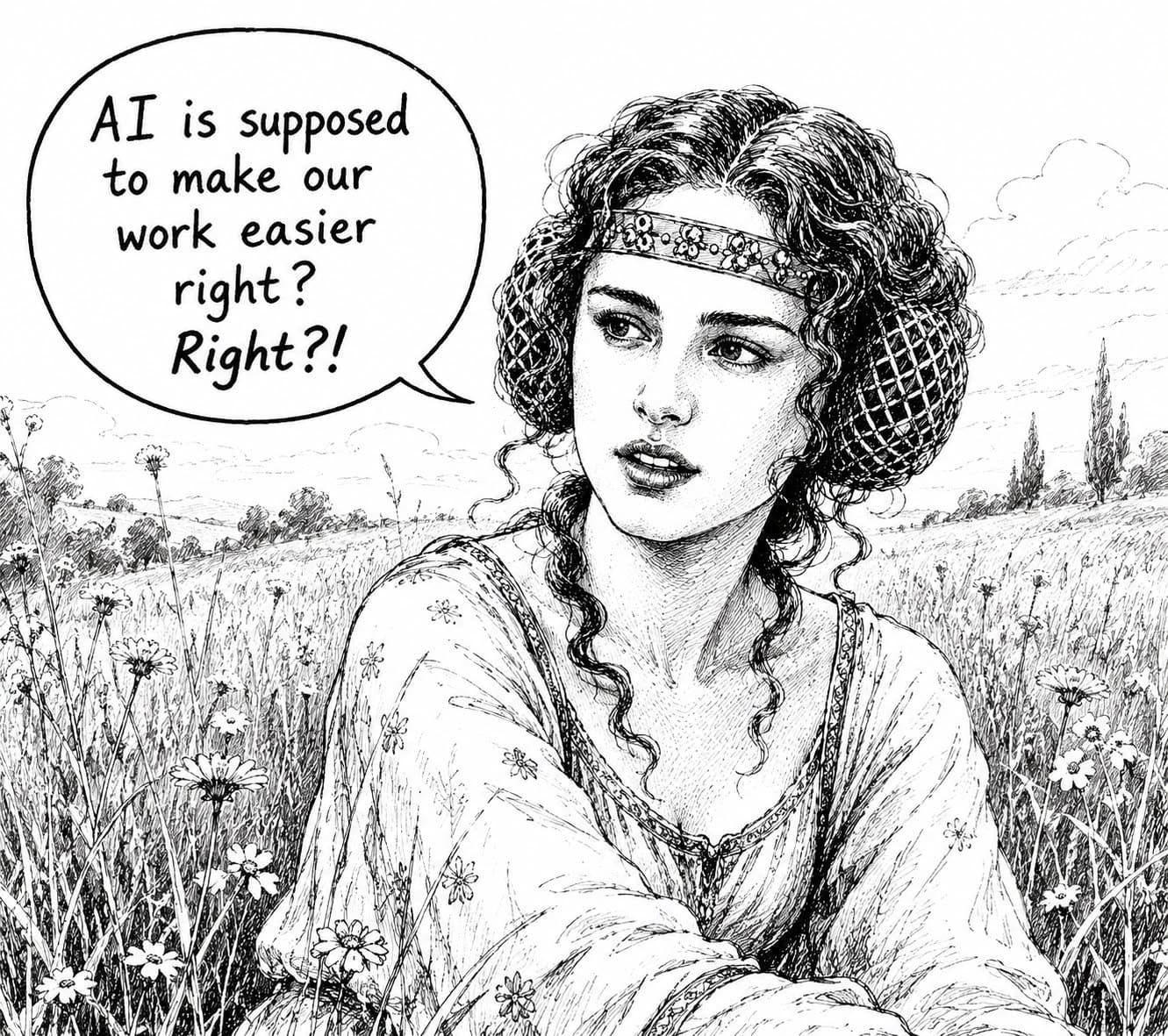
There’s an irony emerging with the rise of AI: instead of reducing workload, it is observably increasing it.
AI was supposed to help us finish work faster so we could spend less time working. In reality, many organisations simply raise expectations.
𝐈𝐟 𝐀𝐈 𝐡𝐞𝐥𝐩𝐬 𝐲𝐨𝐮 𝐜𝐨𝐦𝐩𝐥𝐞𝐭𝐞 𝐨𝐧𝐞 𝐩𝐢𝐞𝐜𝐞 𝐨𝐟 𝐰𝐨𝐫𝐤 𝐢𝐧 𝐚𝐧 𝐡𝐨𝐮𝐫 𝐢𝐧𝐬𝐭𝐞𝐚𝐝 𝐨𝐟 𝐚 𝐝𝐚𝐲, 𝐭𝐡𝐞 𝐫𝐞𝐬𝐩𝐨𝐧𝐬𝐞 𝐢𝐬 𝐨𝐟𝐭𝐞𝐧 𝐧𝐨𝐭 "𝐆𝐫𝐞𝐚𝐭, 𝐭𝐚𝐤𝐞 𝐭𝐡𝐞 𝐫𝐞𝐬𝐭 𝐨𝐟 𝐭𝐡𝐞 𝐝𝐚𝐲 𝐨𝐟𝐟." 𝐈𝐭'𝐬 "𝐄𝐱𝐜𝐞𝐥𝐥𝐞𝐧𝐭. 𝐍𝐨𝐰 𝐝𝐨 𝐭𝐞𝐧 𝐦𝐨𝐫𝐞."
This creates a second problem: unrealistic timelines. Once a task is assigned, clients and stakeholders assume AI can produce results almost instantly. Ten minutes after giving an instruction, they are already asking for progress updates.
𝐓𝐡𝐞𝐧 𝐜𝐨𝐦𝐞𝐬 𝐭𝐡𝐞 𝐢𝐬𝐬𝐮𝐞 𝐨𝐟 𝐟𝐚𝐥𝐬𝐞 𝐜𝐨𝐦𝐩𝐞𝐭𝐞𝐧𝐜𝐞. AI can generate output that sounds polished, authoritative and convincing.
But once a manager interrogates your work: why a recommendation was made, how a conclusion was reached, what assumptions were used…answers struggle to surface. The output looks intelligent, but empty.
𝐀𝐬 𝐚 𝐫𝐞𝐬𝐮𝐥𝐭, 𝐜𝐨𝐥𝐥𝐞𝐚𝐠𝐮𝐞𝐬 𝐞𝐧𝐝 𝐮𝐩 𝐬𝐩𝐞𝐧𝐝𝐢𝐧𝐠 𝐦𝐨𝐫𝐞 𝐭𝐢𝐦𝐞, 𝐧𝐨𝐭 𝐥𝐞𝐬𝐬 𝐢𝐧 𝐭𝐡𝐞 𝐜𝐡𝐞𝐜𝐤𝐢𝐧𝐠. Much of the thinking that should have happened during creation is simply (and irresponsibly) shifted downstream to the reviewer.
The same applies to software development. AI can generate code quickly, but developers still need to understand every line, how the system works, and where vulnerabilities may exist.
𝐀𝐭𝐭𝐚𝐜𝐤𝐞𝐫𝐬 𝐚𝐫𝐞 𝟏𝟎𝟎% 𝐮𝐬𝐢𝐧𝐠 𝐀𝐈. The same technology helping developers build faster is helping hackers find exploits faster too.
Design faces a different challenge. 𝐌𝐚𝐧𝐲 𝐝𝐞𝐬𝐢𝐠𝐧 𝐝𝐞𝐜𝐢𝐬𝐢𝐨𝐧𝐬 𝐚𝐫𝐞 𝐧𝐨𝐧-𝐯𝐞𝐫𝐛𝐚𝐥 𝐚𝐧𝐝 𝐢𝐧𝐭𝐮𝐢𝐭𝐢𝐯𝐞. Designers often know something feels wrong long before they can explain why.
Even clients struggle to articulate what they want. When a client says, "Make it more blue," that instruction could mean a hundred different things. The hardest part of design is often interpreting intent, not generating pixels.
𝐒𝐨 𝐫𝐚𝐭𝐡𝐞𝐫 𝐭𝐡𝐚𝐧 𝐞𝐥𝐢𝐦𝐢𝐧𝐚𝐭𝐢𝐧𝐠 𝐣𝐨𝐛𝐬, 𝐦𝐲 𝐰𝐨𝐫𝐫𝐲 𝐢𝐬 𝐦𝐨𝐫𝐞 𝐚𝐛𝐨𝐮𝐭 𝐰𝐡𝐞𝐭𝐡𝐞𝐫 𝐨𝐫 𝐧𝐨𝐭 𝐭𝐡𝐢𝐬 𝐰𝐨𝐫𝐤 𝐥𝐨𝐚𝐝 𝐢𝐬 𝐬𝐮𝐬𝐭𝐚𝐢𝐧𝐚𝐛𝐥𝐞.
Humans are having a tougher time reviewing work. It’s also a lot harder work now to differentiate yourself in a sea of sameness.
And you have to, because at the end of the process, another human—the customer—will decide whether the product is good enough to buy, use, trust, or approve.