Why Can't We Have Free Public Transport?
𝑇ℎ𝑖𝑠 𝑎𝑟𝑡𝑖𝑐𝑙𝑒 𝑤𝑎𝑠 𝑤𝑟𝑖𝑡𝑡𝑒𝑛 𝑏𝑦 𝐵𝑒𝑛𝑗𝑎𝑚𝑖𝑛 𝐶ℎ𝑖𝑎𝑛𝑔 24𝑡ℎ 𝑁𝑜𝑣𝑒𝑚𝑏𝑒𝑟 2010
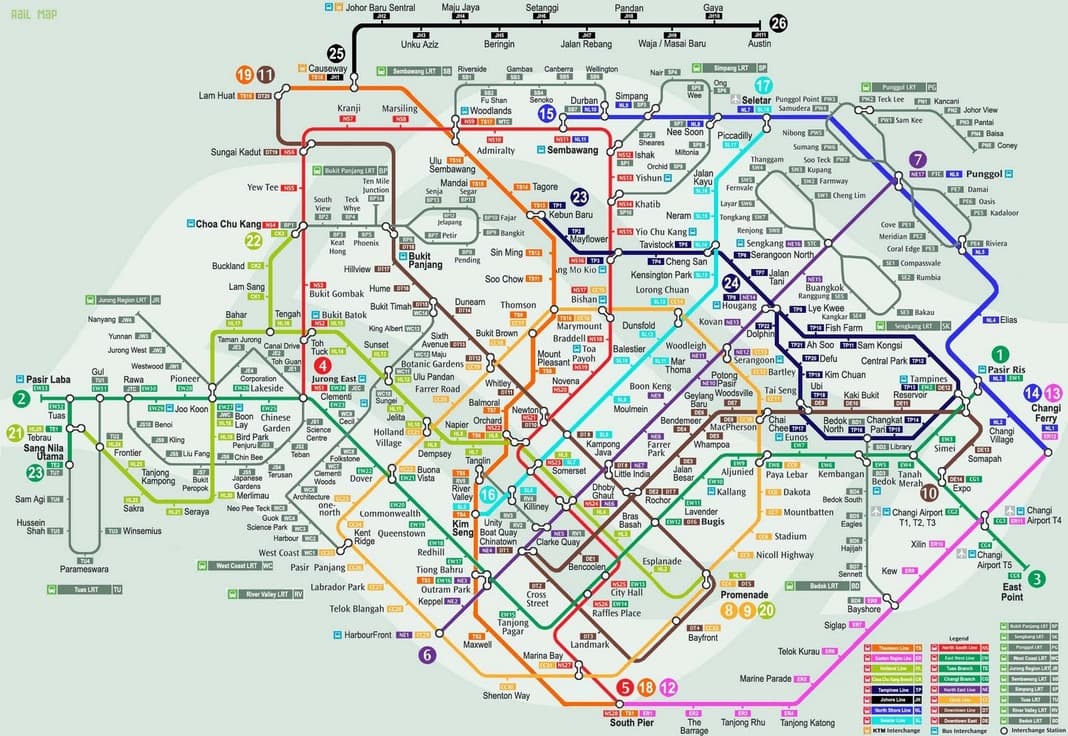
See the crazy MRT map in this article?
It was circulating around 2011. At the time, most people thought it was just an artist's impression. But compare it with the MRT map today and you'll realise something remarkable - it has largely come to life.
That's Singapore for you. We don't plan five years ahead. We plan 10, 20, even 50 to 100 years into the future.
Since the MRT began operations in 1987, two of the most common complaints have been fare increases (usually just a few cents every year) and, occasionally, the suggestion that public transport should simply be free.
Some even ask whether we should do away with the current model altogether and convert our rail system into a non-profit organisation.
Let's think about that.
If commuters don't pay, then someone else has to. That "someone else" is the public fund, which means taxpayers.
At the end of the day, you'll still be paying for the trains... just through taxes instead of fares. And chances are, you'll end up paying even more.
Another alternative is Hong Kong's model, where rail operations are heavily supported by property development and land ownership. That's a unique arrangement built around Hong Kong's land policies and isn't something every country can simply replicate.
Back in 2010, SMRT's operating costs were already around S$716 million a year. Today, they are much higher.
If the system became a non-profit and fares no longer covered a significant portion of those costs, the funding gap would have to be filled by the State. But if taxpayers are ultimately footing the bill anyway, why shouldn't those who use the transport system contribute directly through fares?
A heavily state-funded system can also face greater pressure when it comes to funding manpower, maintenance and upgrades. Engineers, operators and safety personnel need to be paid competitively if we want to attract and retain capable people.
Some will argue, "Just rely on advertising and rental income."
But advertising and retail rentals alone are not enough to build a financial buffer against economic downturns, rising electricity prices, higher maintenance costs, inflation or major infrastructure upgrades.
More importantly, they don't provide the certainty needed to keep expanding the network.
Singapore isn't maintaining a fixed-sized rail system. We're constantly building new lines, adding stations, buying more trains, improving maintenance facilities and hiring more staff to serve a growing population.
Elsewhere in the world, London's Underground has long struggled with funding shortfalls. When those arise, the Government has to step in with financial support... which, once again, ultimately comes from taxpayers.
Public transport is a business as much as it is a public service. It works efficiently because there is financial discipline, accountability and an expectation that the operator must deliver a safe and reliable service.
A non-profit model for our rail system is, in my view, neither sustainable nor fair. The long-term consequences could be far more painful than paying a few extra cents per journey each year.
(The Public Transport Council, by the way, regulates fares and keeps public transport operators in check.... but that's a discussion for another day.)
For perspective, SMRT recorded a profit after tax of S$162 million across all its businesses in 2009. Those profits, together with continued investment over the years, have helped transform our rail network from a humble system with just two lines like this:
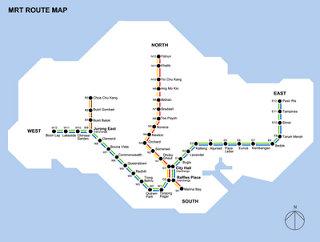 Into this:
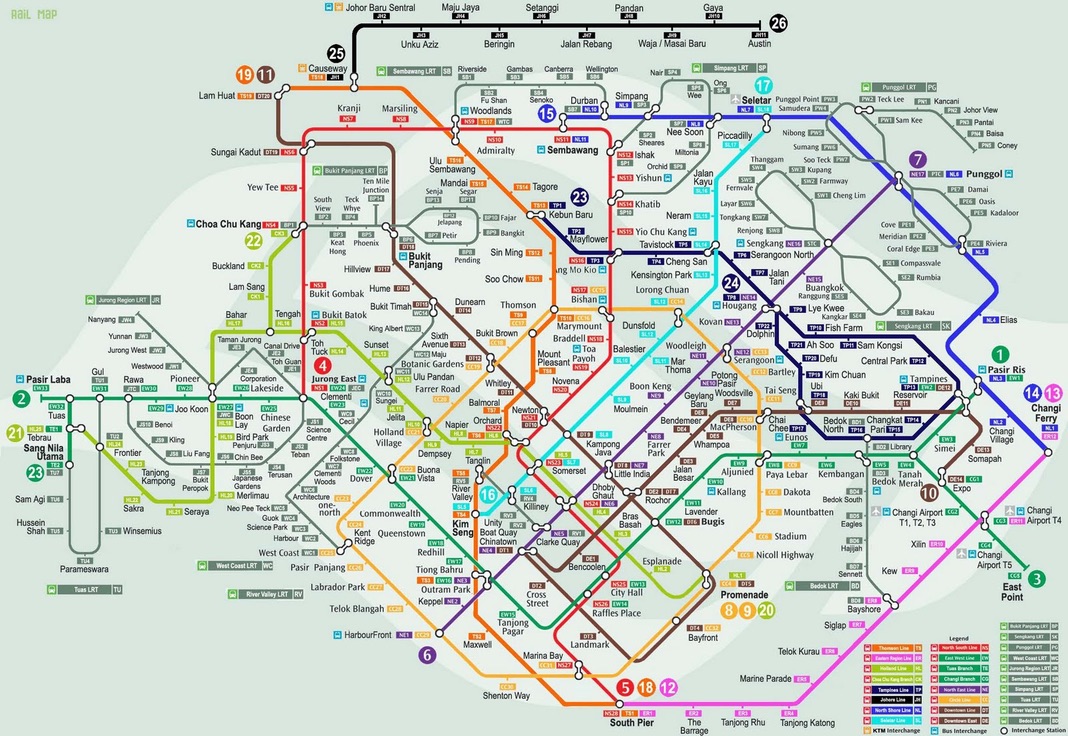
...the sprawling, interconnected network we have today.
#singapore
#MRT