𝐖𝐡𝐲 𝐃𝐨 𝐒𝐢𝐧𝐠𝐚𝐩𝐨𝐫𝐞𝐚𝐧𝐬 𝐂𝐚𝐥𝐥 𝐄𝐯𝐞𝐫𝐲𝐨𝐧𝐞 "𝐁𝐨𝐬𝐬"?
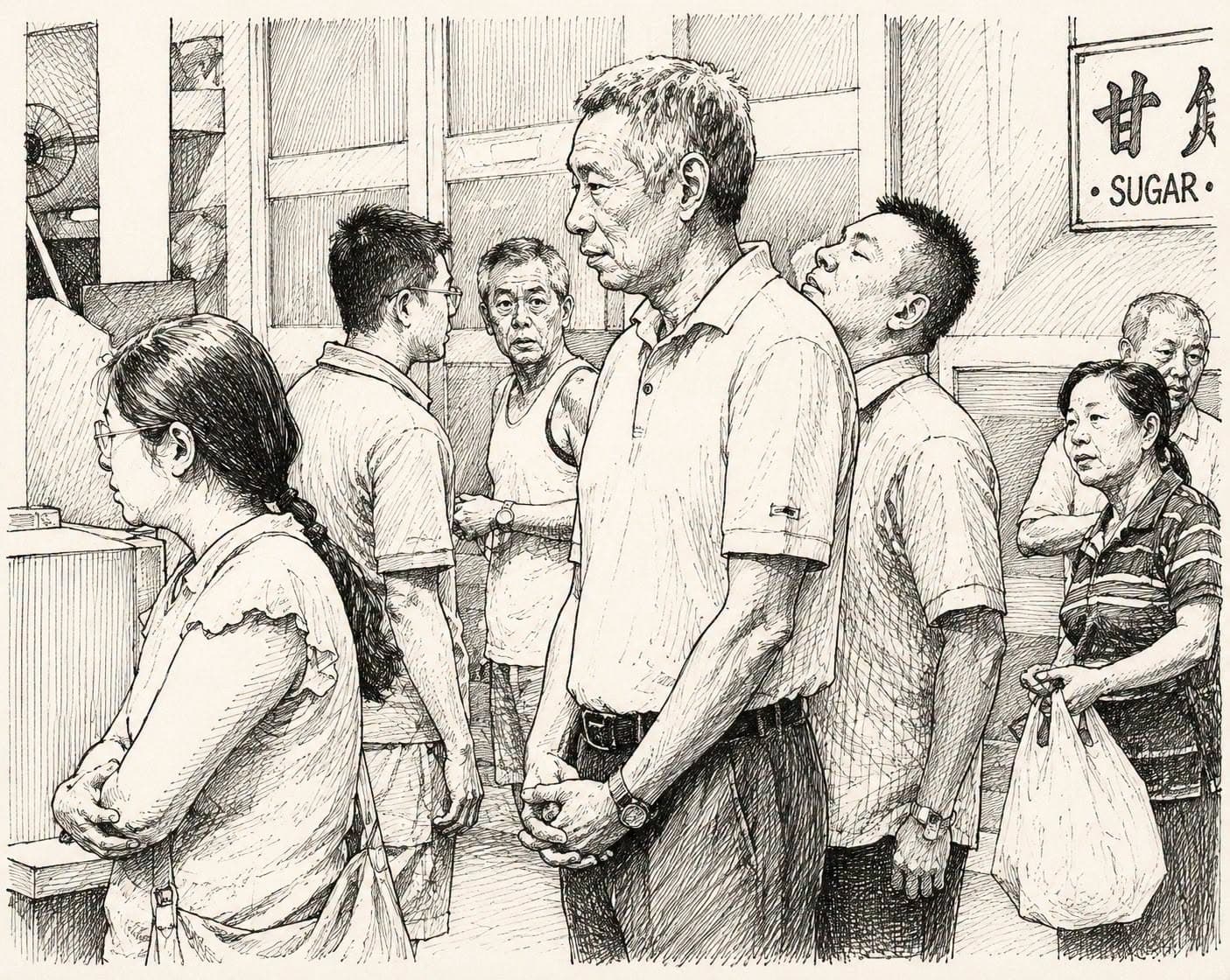
The kopi uncle calls you boss.
The delivery rider calls you boss.
The workshop mechanic calls you boss.
Everybody is the boss. But actually, nobody is really the boss.
Why ah?
Linguists call words like "boss", "bro", "auntie", "uncle", and "sir" forms of address. They help us navigate social relationships. These words reveal status. They tell us who is above us, below us, older than us, or more important than us.
𝐈𝐧 𝐒𝐢𝐧𝐠𝐚𝐩𝐨𝐫𝐞 𝐡𝐨𝐰𝐞𝐯𝐞𝐫, 𝐰𝐞 𝐟𝐥𝐚𝐭𝐭𝐞𝐧 𝐭𝐡𝐞 𝐡𝐢𝐞𝐫𝐚𝐫𝐜𝐡𝐲.
Instead of carefully distinguishing rank, we hand out promotions for free.
Buy a kopi? Boss.
Repair your car? Boss.
Order cai png? Lao ban. 𝑂𝑟 𝑚𝑦 𝑓𝑎𝑣𝑜𝑢𝑟𝑖𝑡𝑒: 𝑆𝑢𝑎𝑖 𝐺𝑒! (𝐻𝑎𝑛𝑑𝑠𝑜𝑚𝑒!)
You can be a student, unemployed, retired, or an NSF earning allowance. Somehow, you are still boss.
Part of this comes from our Chinese dialect heritage.
In Hokkien and Cantonese culture, people often used occupational titles as a sign of respect. In Hokkien we hear "Tao Chiu" (chief) and also "Tao Keh" (also means boss). Add a "neo" for Tao Keh Neo (lady boss).
Over time, these honorifics became detached from their literal meaning.
In America, people might call someone "buddy." In Australia and the UK, it is "mate."
𝐈𝐧 𝐒𝐢𝐧𝐠𝐚𝐩𝐨𝐫𝐞, "𝐛𝐨𝐬𝐬" 𝐛𝐞𝐜𝐚𝐦𝐞 𝐨𝐮𝐫 𝐯𝐞𝐫𝐬𝐢𝐨𝐧 𝐨𝐟 𝐬𝐨𝐜𝐢𝐚𝐥 𝐥𝐮𝐛𝐫𝐢𝐜𝐚𝐧𝐭.
The interesting thing is that Singapore is not actually a particularly informal society.
There is another linguistic theory that may explain why Singaporeans love the word: 𝐒𝐨𝐜𝐢𝐨𝐥𝐢𝐧𝐠𝐮𝐢𝐬𝐭𝐬 𝐭𝐚𝐥𝐤 𝐚𝐛𝐨𝐮𝐭 𝐬𝐨𝐦𝐞𝐭𝐡𝐢𝐧𝐠 𝐜𝐚𝐥𝐥𝐞𝐝 "𝐩𝐨𝐬𝐢𝐭𝐢𝐯𝐞 𝐟𝐚𝐜𝐞" 𝐚𝐧𝐝 "𝐧𝐞𝐠𝐚𝐭𝐢𝐯𝐞 𝐟𝐚𝐜𝐞."
Positive face refers to a person's desire to feel respected and appreciated.
Negative face refers to a person's desire not to be imposed upon.
Calling someone "boss" balances both. It gives the listener a tiny boost of status while asking for nothing in return.
"Boss, one kopi C."
"Tao Keh, your parcel."
"Eh Lao Ban, can move your car prease?"
With this tone, interaction immediately feels friendlier.
Despite all our discussions about class, income and social status, Singaporeans tend to dislike overt displays of hierarchy in everyday life.
The billionaire and the Grab driver often eat at the same hawker centre.
The senior executive and the intern stand in the same MRT carriage.
The (ex) Prime Minister queues at the same hawker as everyone else. 𝐹𝑌𝐼, 𝑡ℎ𝑒 𝑝𝑖𝑐𝑡𝑢𝑟𝑒 𝑖𝑛 𝑡ℎ𝑖𝑠 𝑝𝑖𝑒𝑐𝑒 𝑖𝑠 𝑎 𝑟𝑒-𝑚𝑎𝑘𝑒 𝑜𝑓 𝑎𝑛 𝑎𝑐𝑡𝑢𝑎𝑙 𝑝ℎ𝑜𝑡𝑜𝑔𝑟𝑎𝑝ℎ.
So that's why "boss" belongs right here in Singapore. It allows strangers to interact as equals, even if only for a few seconds.
The next time someone calls you boss, especially if he/she is actually the boss of a shop, enjoy the promotion.
So boss - if you like this article, remember to like, share and subscribe.
Ok boss?